Safer Potty Training: Adjustable Non-Slip Ladder Seat
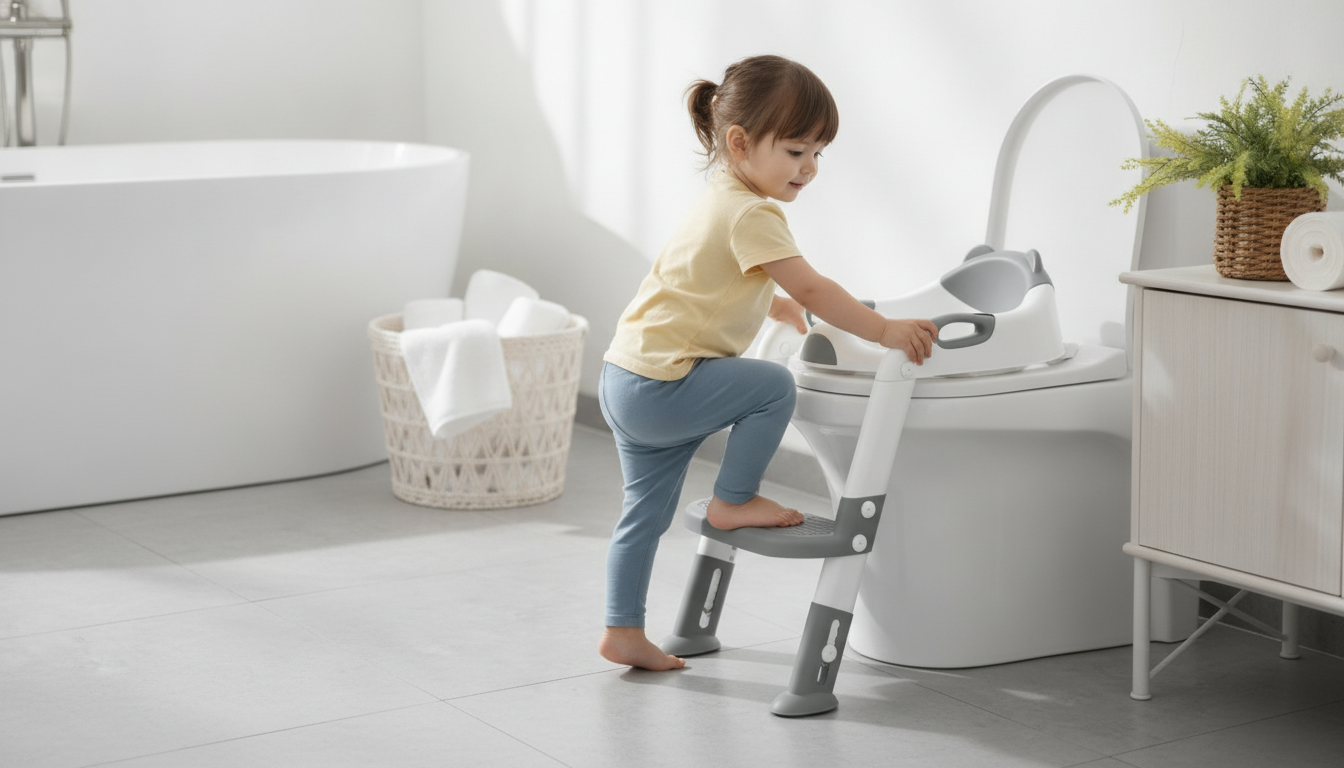
Potty Training Seat with Step Stool Ladder for Toddlers (Adjustable & Non-Slip): What to Look For and How to Use It
A potty training seat with a built-in step stool ladder helps toddlers climb up confidently, sit securely, and practice independence on a standard toilet. The right setup reduces wobbling, improves comfort, and makes daily routines smoother for both kids and caregivers.
Most kids do best when potty learning feels predictable and safe. If your child is showing readiness signs (like staying dry longer and showing interest in the bathroom), a ladder-style seat can turn the “big toilet” from intimidating to approachable—especially when it’s stable and properly adjusted. For general toilet-training guidance, see resources from the American Academy of Pediatrics and the Mayo Clinic.
Why a ladder-style potty seat can make training easier
- Supports independence: toddlers can climb up and down with less lifting and fewer interruptions.
- Encourages consistency: using the regular toilet helps children feel like they are “graduating,” which can build motivation.
- Adds stability: handholds and a wide base can reduce the fear of falling that causes many early refusals.
- Helps with positioning: a fitted seat and foot support can improve posture, which may make it easier to go.
A ladder seat can also reduce the “hovering” that happens when kids feel unsure. When feet are supported and hands have a reliable grip, many toddlers relax faster—often the missing piece for successful tries.
Key features to prioritize (adjustability and safety)
- Adjustable height: look for a ladder that can be set so the steps sit flat on the floor without gaps; stability starts at the floor contact points.
- Non-slip materials: rubberized feet and textured steps reduce sliding on tile or smooth flooring.
- Seat fit and splash protection: a contoured seat and a higher front guard can help reduce mess for both boys and girls.
- Comfort details: soft seat padding and smooth edges can prevent irritation, especially during longer sits early in training.
- Hand grips: side handles give toddlers a predictable place to hold while climbing and sitting.
- Foldable storage: a slim fold can keep bathrooms less cluttered and makes it easier to move between bathrooms if needed.
- Toilet compatibility: verify the design works with common toilet shapes (many ladder seats fit elongated and round, but not all).
If your child is still building coordination, keep expectations simple and prioritize a secure base. Developmental readiness varies; the CDC’s toddler milestones can help caregivers understand what skills are typical by age.
Quick comparison: ladder potty seat vs. other training options
| Option | Pros | Potential drawbacks | Best for |
|---|---|---|---|
| Ladder potty seat | All-in-one climbing + seating; encourages independence; stable base | Needs some bathroom space; must fit toilet type | Toddlers ready to climb with supervision |
| Standalone floor potty | Low to the ground; minimal fear of falling; easy access | Cleaning/emptying; later transition needed | Early starters or kids hesitant about the toilet |
| Seat ring + separate stool | Modular; easier to replace parts; can fit more toilets | More pieces to position; can slide if stool moves | Small bathrooms or mixed toilet shapes |
For many families, a ladder seat is the simplest “one setup, same routine” approach—especially in homes where toddlers want to do everything themselves.
How to set it up for maximum stability
- Place the ladder so all feet contact the floor evenly; adjust height until the steps feel solid and do not rock.
- Center the seat on the toilet so the toddler’s weight is supported by the toilet rim, not only by the ladder frame.
- Check non-slip contact: wipe dust and moisture from tile/vinyl before placing the ladder to reduce sliding.
- Set a simple “climb routine”: one hand on each handle, step-by-step, turn and sit—repeat the same sequence each time.
- Keep pants management easy: elastic waistbands and simple shorts reduce urgency mishaps while climbing.
- Use a foot-supported posture: toddlers often relax better when feet have a stable platform; ensure the step height feels natural.
A calm training routine that pairs well with a step ladder seat
Care, cleaning, and long-term use
Product spotlight: adjustable, non-slip ladder potty training seat
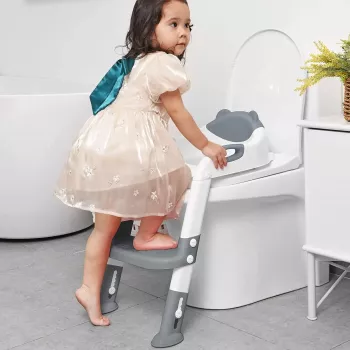
For an all-in-one setup that supports confident climbing and a steadier sit, consider the Potty Training Seat with Step Stool Ladder for Toddlers, Adjustable & Non-Slip. It’s designed to help toddlers climb safely with an integrated step ladder and secure seating on the main toilet, while an adjustable setup helps reduce wobble as your child grows and your bathroom setup changes.
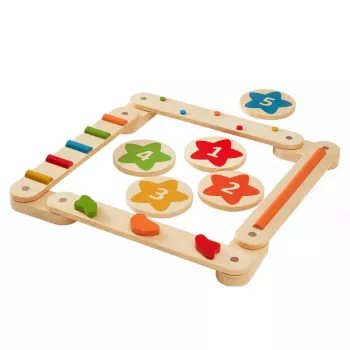
To support balance and coordination outside the bathroom (which can make climbing and turning to sit feel easier), the 6 PCS Kids Balance Beam Stepping Stones for Toddlers can be a fun way to practice step-by-step foot placement and body control during playtime.
FAQ
Will a ladder-style potty seat fit both round and elongated toilets?
Many ladder-style seats are designed to work with both round and elongated toilets, but hinge spacing and seat shape can affect the fit. Check the product’s compatibility details and always test for stability once installed before letting your child climb.
What age is appropriate for a step ladder potty training seat?
Many children are ready sometime between about 18–36 months, but readiness matters more than age. Look for signs like staying dry for longer stretches, interest in the bathroom, following simple directions, and the ability to climb safely with close supervision.
How can slipping be prevented on tile floors?
Make sure the rubber feet and floor are clean and dry, and adjust the ladder so every contact point sits flat without rocking. Avoid bunched-up rugs under the feet, and supervise climbing until your child is consistently steady.







Leave a comment