Cordless 6-Inch Buffer Polisher: Variable Speed + 4 Pads
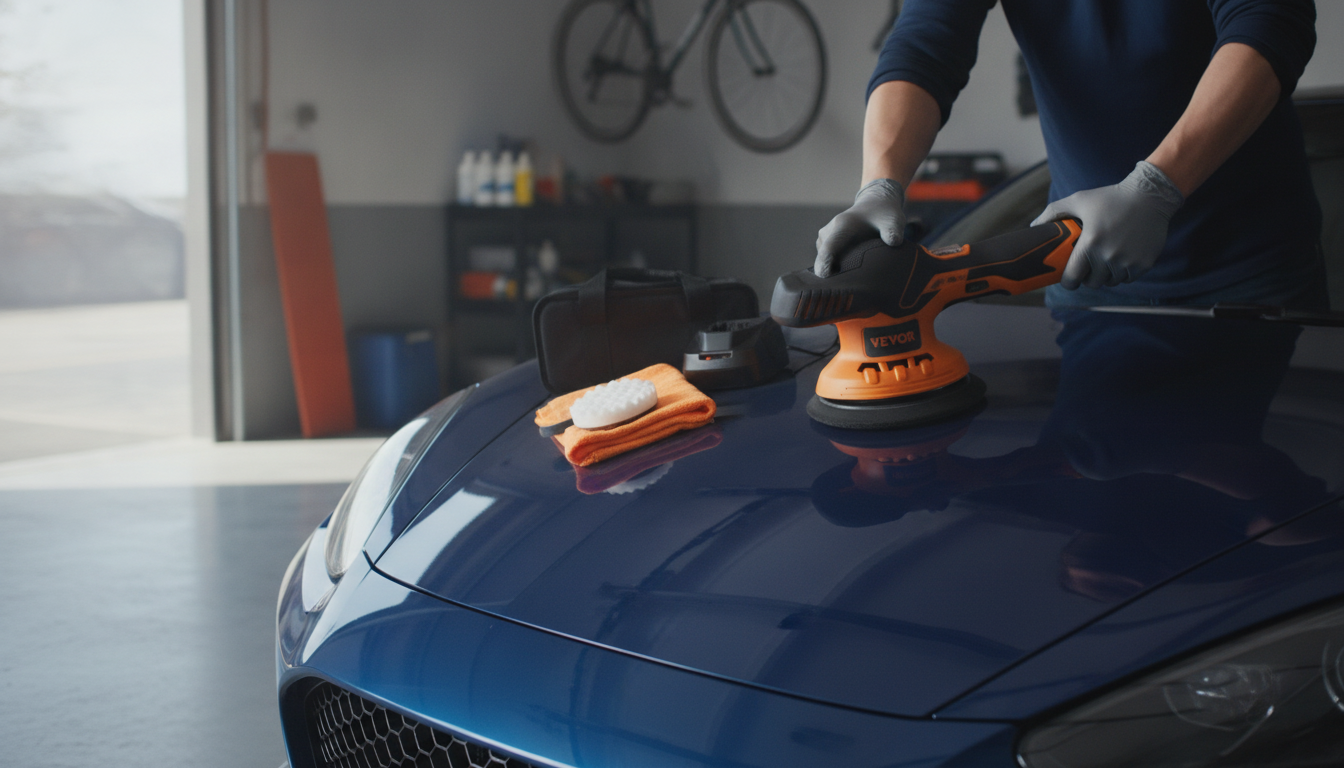
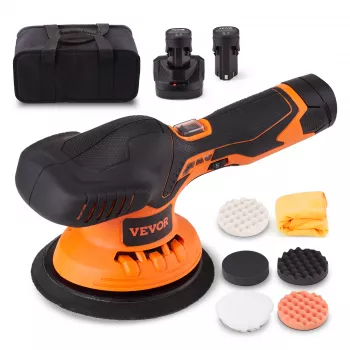
6-Inch Cordless Buffer Polisher with Variable Speed and 4 Pads
A cordless buffer polisher simplifies paint correction and protection by removing the cord from your workflow while keeping speed control right at your fingertips. With a 6-inch pad size and a small set of included pads, it’s set up to move from spreading wax to light polishing without forcing extra purchases on day one. For driveway detailing, apartment parking lots, and mobile setups, the cordless format helps keep your movement smooth and your finish free from accidental cord drag.
What This Cordless Polisher Is Designed to Do
This style of 6-inch cordless polisher is built for common exterior detailing jobs where consistency matters more than brute-force cutting. It’s a practical fit for hoods, doors, and fenders—large enough to cover ground efficiently, but not so big that it feels clumsy around curves.
- Handle frequent detailing tasks: applying wax/sealant, removing light oxidation, refining mild haze, and boosting gloss
- Cover panels efficiently with a 6-inch backing size that suits most vehicle panels
- Support controlled work with variable speed so product can be spread at low speed and refined at higher speed
- Reduce setup friction for driveway, garage, and mobile detailing where outlets and extension cords are inconvenient
Key Features That Matter in Real-World Detailing
Specs only matter if they make the tool easier to control and the results easier to repeat. These are the features that tend to show up immediately in day-to-day use—especially on softer paint systems where technique is everything.
- Cordless freedom: easier movement around the vehicle, with fewer chances of cord drag touching trim or paint
- Variable speed control: helps reduce sling when starting liquid products and improves finishing control
- 6-inch pad size: a balanced middle ground between coverage and maneuverability
- Included pad set: enables basic task switching (spreading vs. polishing) without buying pads immediately
- Ergonomics: a stable grip helps keep pressure even, reducing fatigue and the risk of uneven hazing
If you’re ready to start with a cordless setup, the 6-Inch Cordless Buffer Polisher – Variable Speed Car Polisher with 4 Pads is an easy entry point for seasonal protection and light correction.
Pads Included and What Each One Is For
Pads determine how the machine behaves on paint. A softer pad can lay down wax smoothly and finish clearer, while a firmer pad can add bite for light defect removal. Keep pads dedicated to a single product type—mixing wax, polish, and compound on one pad often creates unpredictable results.
Quick Pad Guide (Typical Use Cases)
| Pad Role | Best For | Tips |
|---|---|---|
| Finishing/Soft | Wax or sealant application, final jeweling | Start at low speed to avoid sling; use minimal pressure |
| Polishing/Medium | Light swirls, haze removal, gloss boost | Work small sections; keep pad flat to prevent marring |
| Cutting/Firm (if included) | Oxidation or more visible defects (light correction) | Use sparingly; inspect often; follow with a softer pad |
| Utility/Spare | Second pass or product changeover | Label pads by product to avoid cross-contamination |
How to Use It for a Cleaner Finish (Without Common Mistakes)
Most polishing mistakes come from skipping prep or using too much pressure. A clean surface and a primed pad reduce the chance of grinding contamination into the clear coat and help the product work as intended.
- Prep first: wash, dry, and decontaminate (iron remover/clay as needed) so the pad isn’t grinding debris into paint
- Prime the pad: apply a small amount of product and spread on the pad face to reduce dry buffing
- Start low, then increase: spread at a lower speed; raise speed for working the product; finish with lighter pressure
- Work in sections: use small, overlapping passes in a crosshatch pattern for even results
- Keep the pad flat: tilting concentrates pressure and can create haze or hot spots
- Wipe and inspect: use clean microfiber and strong lighting to confirm progress before moving on
For foundational machine-polishing technique and process expectations, resources from Meguiar’s and 3M offer helpful guidance that applies to most dual-action style workflows.
Variable Speed: Practical Settings for Typical Tasks
Variable speed is less about “more power” and more about matching the machine to the job. The goal is thin, even product application and controlled correction—without excess heat or sling.
Cordless Battery Care and Safe Operation
For general lithium-ion safety practices, consult the U.S. Fire Administration guidance and always follow your tool’s included instructions.
Care, Cleaning, and Storage to Extend Tool and Pad Life
Who This 6-Inch Cordless Polisher Fits Best
What’s Included and How to Get Started Fast
If you also handle outdoor cleaning tasks around the home, a separate battery-powered sprayer can be useful for non-automotive jobs like plants and general yard care: Battery-Powered Backpack Sprayer with Cart – 4 Gal, Adjustable Pressure, Multi-Nozzle.
FAQ
Is a 6-inch cordless polisher safe for beginners?
Yes, it can be beginner-friendly when you spread product at low speed, use light pressure, keep the pad flat, and perform a small test spot first. Taping edges and trim and avoiding dry buffing helps prevent accidental hazing.
What should be done if the pad leaves haze or micro-marring?
Reduce pressure, clean the pad, and switch to a softer finishing pad with a finer polish to refine the surface. Also check for pad contamination and verify results with good lighting and a panel wipe.
How often should pads be cleaned or replaced?
Clean pads during use as residue builds, and wash them after each session so product doesn’t harden in the foam. Replace pads when the foam tears, delaminates, or stays permanently compressed.








Leave a comment