Wireless Translation Earbuds: Buy Smart & Speak Smoothly
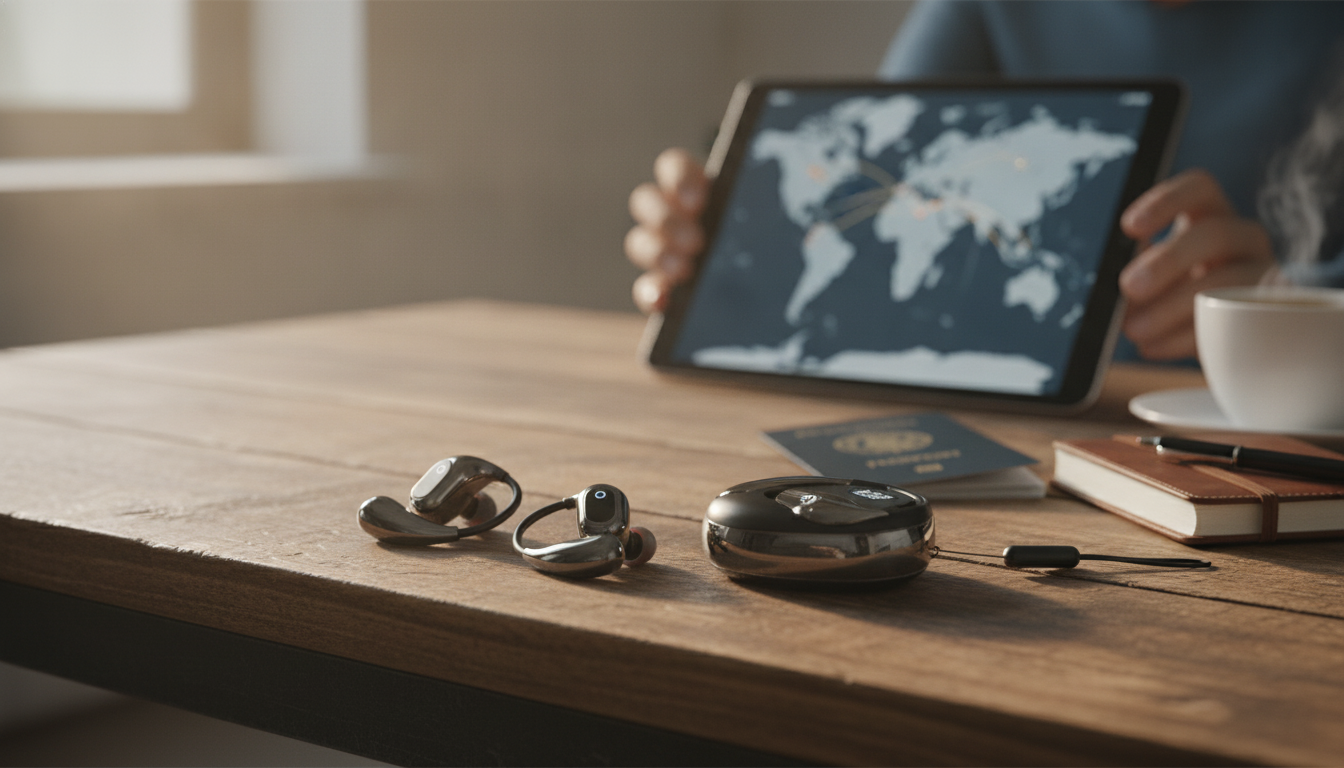
Wireless Translation Earbuds for Travel, Work, and Language Practice
Wireless translation earbuds make conversations easier when people don’t share a language—whether that’s ordering food abroad, collaborating with international teammates, or practicing a new language on the go. The right pair should feel comfortable for long wear, connect reliably to a phone, and deliver clear audio so translated phrases are easy to catch in real time. Below is a practical breakdown of how they work, what to look for, and how to get the best results in everyday situations.
What wireless translation earbuds are designed to do
Translation earbuds are built to deliver spoken translations through your earbuds while a translation app runs on your phone in the background. Most support two-way conversations by switching between speakers using app controls or earbud taps, so you can hand off smoothly when it’s the other person’s turn to talk.
They’re especially useful for short, frequent interactions—asking for directions, checking into a hotel, shopping, quick workplace clarifications, and low-pressure language practice. Like any speech-based tool, they perform best with clear speech, a moderate pace, and minimal background noise.
If you want an affordable place to start, consider Wireless Translation Earbuds for everyday travel needs and casual conversations.
How real-time translation typically works
In most setups, the earbuds connect to a smartphone via Bluetooth, and the phone handles speech recognition and translation processing. (For a technical overview of Bluetooth standards and profiles that influence wireless behavior, see the Bluetooth Core Specification.)
Microphones pick up speech either from the earbuds, the phone, or both—depending on the app and which conversation mode you select. After the app translates, the translated output plays in your earbuds, and many apps also show text on-screen so you can confirm what was understood.
Accuracy and speed depend on three big factors: the translation engine, your internet connection (many apps use cloud processing), and microphone quality. For best results, speak in short sentences, avoid heavy slang, and double-check key details like numbers, dates, names, and addresses using the on-screen text when available. For a broader look at limitations and responsible use of AI systems, the NIST AI Risk Management Framework is a helpful reference.
Everyday situations where they help most
Travel
Translation earbuds can reduce friction in common travel moments: confirming taxi destinations, asking about hotel check-in times, ordering at restaurants, navigating transit, and handling basic pharmacy or clinic questions. They’re most effective when the exchange is short and you can pause for playback.
Work
For quick clarifications with clients, vendors, or colleagues, earbuds can keep communication moving—especially when you need to confirm a schedule, a delivery detail, or a meeting location. They’re best used as a bridge for straightforward information rather than nuance-heavy negotiation.
Learning and practice
Used as a study tool, translation earbuds support listening practice and vocabulary reinforcement. If your app includes pronunciation feedback, they can also help you test how understandable your speech is in real-world conditions.
Family and community
From chatting with neighbors to talking with relatives during visits, translation earbuds can make everyday connection easier—especially when neither person is comfortable switching fully into the other language.
What to check before buying
Because translation quality depends on both hardware and app behavior, it helps to evaluate earbuds like a “system” rather than a single product. Fit, microphones, controls, and Bluetooth stability all affect how natural the conversation feels.
Quick checklist for choosing translation earbuds
| Priority | Why it matters | What to verify |
|---|---|---|
| Clear microphones | Improves speech recognition accuracy | Reviews mention voice pickup in noisy areas; app supports your use mode |
| Comfortable fit | Long wear during travel/work | Multiple tips; secure fit without pressure points |
| Battery + charging case | Fewer interruptions | Per-charge hours and total case recharges |
| Simple controls | Faster handoff in conversation | Tap/press to switch modes, pause, replay, or adjust volume |
| App language support | Ensures practical usability | Languages you need; offline capability if offered |
| Low latency feel | More natural conversation flow | Stable Bluetooth and consistent audio playback |
Setup tips for smoother conversations
Comfort, sound, and battery: what affects day-to-day use
Privacy and practical expectations
Common issues and quick fixes
Lag or delayed playback
Frequent disconnects
Low accuracy
Low volume or unclear sound
One earbud not working
A budget-friendly option to get started
For casual travel and daily interactions, an affordable pair can be a practical entry point—especially when paired with a strong translation app. Wireless Translation Earbuds can cover the basics without making setup feel complicated, and the biggest gains often come from better habits (short phrases, turn-taking, and confirming key details) rather than premium audio tuning.
For a small, travel-friendly add-on that pairs well with work trips and dinners out, 18K Gold Plated Daisy Drop Earrings are an easy accessory option that doesn’t take up space in a carry-on.
FAQ
Do translation earbuds work without internet?
It depends on the translation app. Some apps offer offline language packs with reduced accuracy and fewer languages, while many real-time features perform best with a stable internet connection.
How accurate are real-time translations in noisy places?
Accuracy usually drops with loud background noise, overlapping speech, and wind. Speaking in short phrases, moving to a quieter spot, and keeping the phone close can noticeably improve results.
Can translation earbuds replace a human interpreter?
They can help for everyday conversations, travel needs, and basic workplace communication. They’re not recommended for medical, legal, or high-stakes situations where nuance and precision are required.








Leave a comment