Modern 5-Tier Bookshelf for Small Home Office Storage
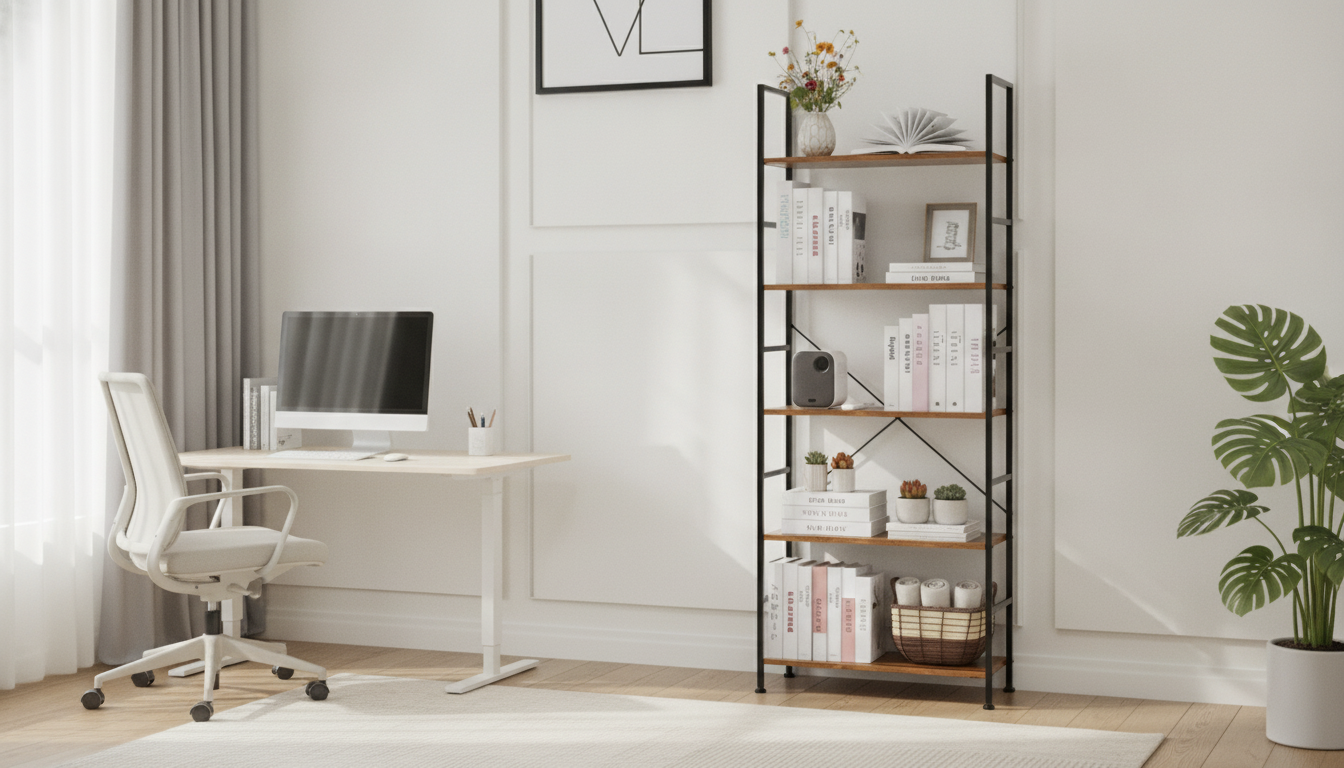
5-Tier Bookshelf for Home & Office: Modern Storage in a Space-Saving Footprint
A tall, open-shelf bookcase can add storage without consuming much floor space—ideal for home offices, apartments, and multipurpose rooms. This guide breaks down what to look for in a modern 5-tier bookshelf, how to plan placement and capacity, and practical ways to style and organize shelves for daily use.
Why a 5-tier bookshelf works for compact home offices
When floor space is limited, going vertical is often the easiest way to gain storage without making the room feel crowded. A 5-tier bookshelf is especially useful in home offices where you want supplies within reach but still need clear walkways and breathing room around the desk.
- Vertical storage increases usable capacity while keeping walkways and desk areas open.
- Open tiers keep frequently used items visible and easy to reach (binders, notebooks, printer paper, reference books).
- A modern, clean-lined bookcase can double as a backdrop for video calls and a display zone for decor.
- Five tiers typically provide enough separation to group categories (work, personal reading, supplies, tech) without constant reshuffling.
What to measure before buying
A bookshelf that “should fit” can still create daily friction if it blocks a door swing or bumps a rolling chair. Taking a few quick measurements helps you avoid returns and ensures the unit supports your workflow.
- Available footprint: confirm the width and depth that can sit comfortably beside a desk, behind a chair, or near a doorway without blocking circulation.
- Height clearance: check ceiling height, baseboards, and any wall fixtures (switch plates, outlets, window trim) that could interfere with flush placement.
- Shelf needs: estimate how many tall items are required (large textbooks, storage bins, file boxes) versus shorter stacks (paperbacks, notebooks).
- Room conditions: consider humidity and proximity to heating/cooling vents to reduce warping risks for wood-based materials.
Quick planning guide for shelf zones
| Shelf tier | Best use | Typical items | Tip to keep it tidy |
|---|---|---|---|
| Top | Display / light-use | Small plants, framed photos, decor | Keep weight low; use a small tray to corral items |
| Upper-middle | Reference | Dictionaries, manuals, current projects | Stand books upright with bookends to prevent leaning |
| Middle | Everyday work | Binders, notebooks, folders | Label categories and leave a little breathing room for returns |
| Lower-middle | Supplies | Paper reams, printer ink, organizers | Use matching bins to reduce visual clutter |
| Bottom | Heavier storage | File boxes, large books, backup supplies | Place heavier items low for stability and easier lifting |
Design details that matter in daily use
Two bookcases can look similar online but feel very different once you’re loading them with binders and moving items in and out every day. A few design details have an outsized impact on how practical the shelves feel over time.
- Shelf spacing: consistent spacing supports uniform bins; varied spacing helps mix books and decor.
- Edge profile and finish: smooth edges reduce snags; a durable finish helps resist scuffs from binders and storage boxes.
- Open vs. backed shelves: open backs look lighter and suit modern rooms; backed units can hide cables and add rigidity depending on construction.
- Base and balance: a stable base reduces wobble; placing the unit on a level surface improves feel and longevity.
Safety and placement for stability
Taller furniture should be treated differently than low cabinets—especially in active homes. If your bookshelf will hold heavy items, or if kids or pets share the space, prioritize stability from day one. The U.S. Consumer Product Safety Commission provides practical guidance on tip-over prevention: CPSC Furniture Tip-Over Prevention. For broader context on tip-resistant furniture efforts and standards work, see UL Standards & Engagement.
- Place the bookcase on a flat, level surface; shim if needed to prevent rocking.
- Load heavier items on lower shelves to reduce the chance of tipping.
- Avoid overloading any single tier; spread weight evenly across shelves.
- If children or pets are present, consider anchoring the unit to the wall using appropriate hardware for the wall type (studs, masonry, drywall anchors).
Styling and organization ideas for a modern look
A modern bookshelf looks best when it’s intentional—organized enough to feel calm, but not so “perfect” that it’s hard to maintain. Aim for a setup that supports real routines: grabbing a notebook, returning a binder, storing extra paper, and keeping cords from multiplying.
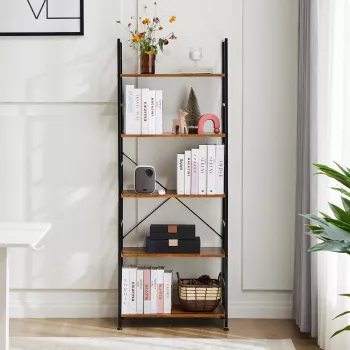
Featured option: 5-Tier Bookshelf, Modern Bookcase for Home & Office Storage
If you’re setting up a focused work corner or upgrading a small room’s storage, the 5-Tier Bookshelf, Modern Bookcase for Home & Office Storage, Space-Saving Design offers a streamlined 5-tier layout designed to add storage while keeping a small footprint.
More in-store picks to complement your space
- 18K Gold Plated Daisy Drop Earrings — a simple accessory option when you want a polished look for meetings or outings after work.
- 6 PCS Kids Balance Beam Stepping Stones for Toddlers — helpful for families creating a play zone in a multipurpose room, keeping active play organized in one area.
Care, cleaning, and long-term use
FAQ
How much weight can a 5-tier bookshelf hold?
Capacity depends on the materials, shelf thickness, and hardware, so it’s best to check the product listing for rated limits. For everyday use, distribute weight evenly and keep heavier items on the lower tiers.
Should a tall bookshelf be anchored to the wall?
Anchoring is strongly recommended in homes with children or pets and in high-traffic areas. Use the right hardware for your wall type and follow the manufacturer’s instructions for the safest setup.
What’s the best way to organize a bookshelf for a home office?
Zone shelves by frequency of use: keep current projects and daily binders around eye level, store supplies in labeled bins, and place heavy archive boxes on the bottom shelf for stability.






Leave a comment