Flip Unlimited Cat Scratching Board: Setup & Care Tips
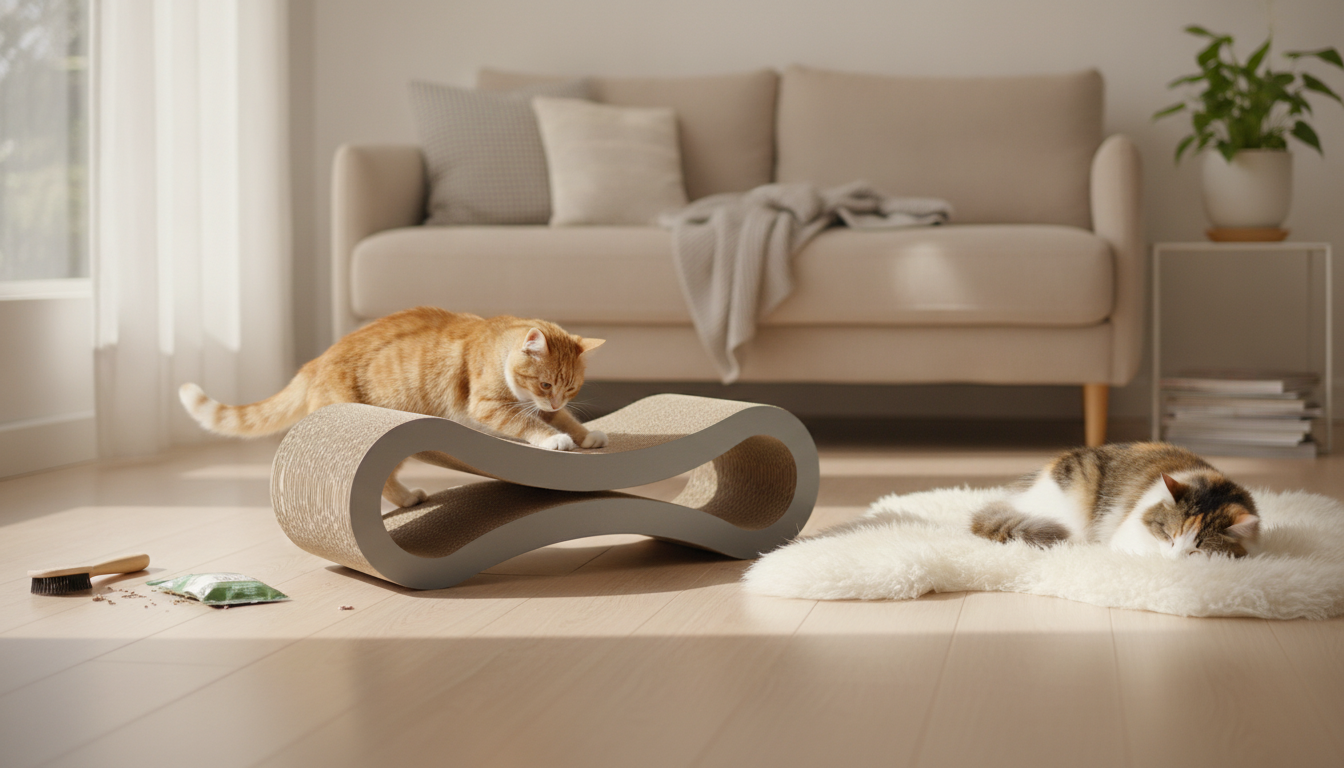
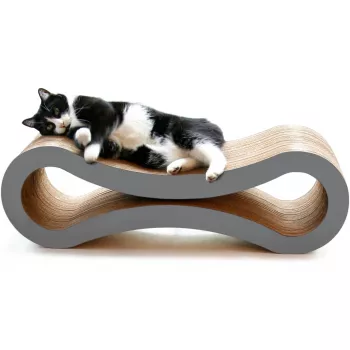
Flip Unlimited Cat Scratching Board for Daily Scratching and Lounging
Cats need a consistent place to scratch, stretch, and leave scent marks. A sturdy scratch surface that also doubles as a lounge spot can help protect furniture while keeping claws healthier and boredom lower. The Flip Unlimited Cat Scratching Board is designed to be flipped for extended use, making it a simple, space-friendly addition to a cat’s routine. For more guidance, see Upcycled Engagement Items for Cats – Southern Pines Animal Shelter.
Scratching isn’t “bad behavior”—it’s normal feline maintenance and communication. The key is offering an appealing alternative to the couch arm or doorway trim and placing it where your cat already likes to scratch. For a helpful overview of why cats scratch and how to redirect them, see the ASPCA guidance on scratching. For further reading, see Plots Unlimited! NaNoWriMo | Los Angeles Public Library.
What makes a good scratching board at home
A scratching board works best when it fits the way cats naturally scratch and stretch. Before adding a new scratcher, it helps to think like a cat: stable under paws, satisfying resistance under claws, and positioned where it “makes sense” in the home.
- Stable base that won’t slide during vigorous scratching
- A scratch texture cats accept quickly (especially for cats that prefer horizontal scratching)
- Enough length for a full-body stretch from shoulders through back legs
- A shape that supports lounging so the scratcher becomes a preferred hangout
- Easy placement near favorite nap spots or near previously scratched furniture
When a board doubles as a lounging spot, it becomes part of a cat’s daily routine instead of “that thing over there.” That’s often what shifts scratching away from furniture long-term.
Flip-style design: why reversible use matters
Many scratchers wear out unevenly—especially when a cat fixates on one end or one “sweet spot.” A flip-style board addresses that simple reality without adding complexity.
- Flipping can extend usable life by distributing wear across multiple surfaces
- A quick “reset” can renew interest for cats that get bored of the same spot
- Helps multi-cat homes keep a consistent scratch area available even with heavier use
- Supports cleaner maintenance routines (shake out debris before turning)
In practice, the “flip” feature is less about gimmicks and more about keeping the scratch surface feeling fresh—without asking your cat to learn something new.
How to set it up so your cat actually uses it
Placement and first-week consistency matter more than most people expect. Cats often choose scratch spots based on scent, traffic flow, and where they like to stretch after naps.
- Place the board where scratching already happens (beside a sofa arm, doorway, or near a window perch)
- Start with the board oriented for your cat’s preference (most cats accept horizontal first; offer vertical alternatives if needed)
- Encourage use with a short play session that ends near the board
- Reward the first few interactions (treat or calm praise) to build a habit
- Avoid moving it repeatedly in the first week; consistency increases adoption
If your cat returns to a problem area, place the board directly beside that spot first. Once your cat is reliably using the board, you can slowly nudge it a few inches per day toward a more convenient “scratch zone.”
Care, cleanliness, and making it last longer
A scratching board will shed dust and small bits of material over time. That’s normal—and it’s also why a simple cleaning routine helps your floors and helps the board stay appealing.
Providing a proper scratching outlet is also part of humane, cat-centered care. For context on why scratching outlets matter (and why declawing has significant welfare concerns), Cornell’s Feline Health Center offers background on declawing and alternatives.
Quick comparison: board scratchers vs. posts vs. furniture protection
| Option | Best for | Pros | Considerations |
|---|---|---|---|
| Reversible scratching board | Horizontal scratchers, loungers | Space-friendly, can be flipped to extend use | May need strategic placement near problem areas |
| Scratching post | Vertical scratchers, full-body stretch | Great stretch; can be very durable | Must be heavy and tall enough to prevent tipping |
| Scratch pad + toys nearby | Cats that need enrichment | Builds a habit through play-to-scratch routine | Requires consistent setup and rotation |
| Furniture guards/covers | Protecting specific items | Immediate reduction in visible damage | Doesn’t replace the scratching need; use alongside scratchers |
Who it’s a good fit for
Product snapshot
- Name: Flip Unlimited Cat Scratching Board
- Price: $52.97 (USD)
- Availability: In stock
- Best placement: Near favorite lounging areas or previously scratched furniture to encourage switching behavior
If you’re rounding out the home setup while you refresh your space, these in-stock picks are also available: 6 PCS Kids Balance Beam Stepping Stones for Toddlers for indoor movement play, Battery-Powered Backpack Sprayer with Cart for yard and garden upkeep, and 18K Gold Plated Daisy Drop Earrings for an easy gift add-on.
FAQ
Where should a cat scratching board be placed?
Place it where your cat already scratches, near favorite resting spots, or along common walkways so it’s easy to “choose” in the moment. Avoid hiding it in a corner, and make sure it sits steady so it doesn’t slide during use.
How do you get a cat to use a new scratching board?
Use a short play session and end the game beside the board, then reward any investigation or scratching with a treat or calm praise. Light catnip can help some cats, and consistency over 1–2 weeks works better than scolding or frequently relocating the board.
When should a scratching board be replaced?
Replace it when the surface loses firmness, becomes unstable, or no longer offers satisfying resistance, even after flipping. Excessive shredding, wobbling, or your cat losing interest can be signs it’s time for a new one.






Leave a comment