6-Piece Kids Balance Beam Stones for Indoor/Outdoor Play
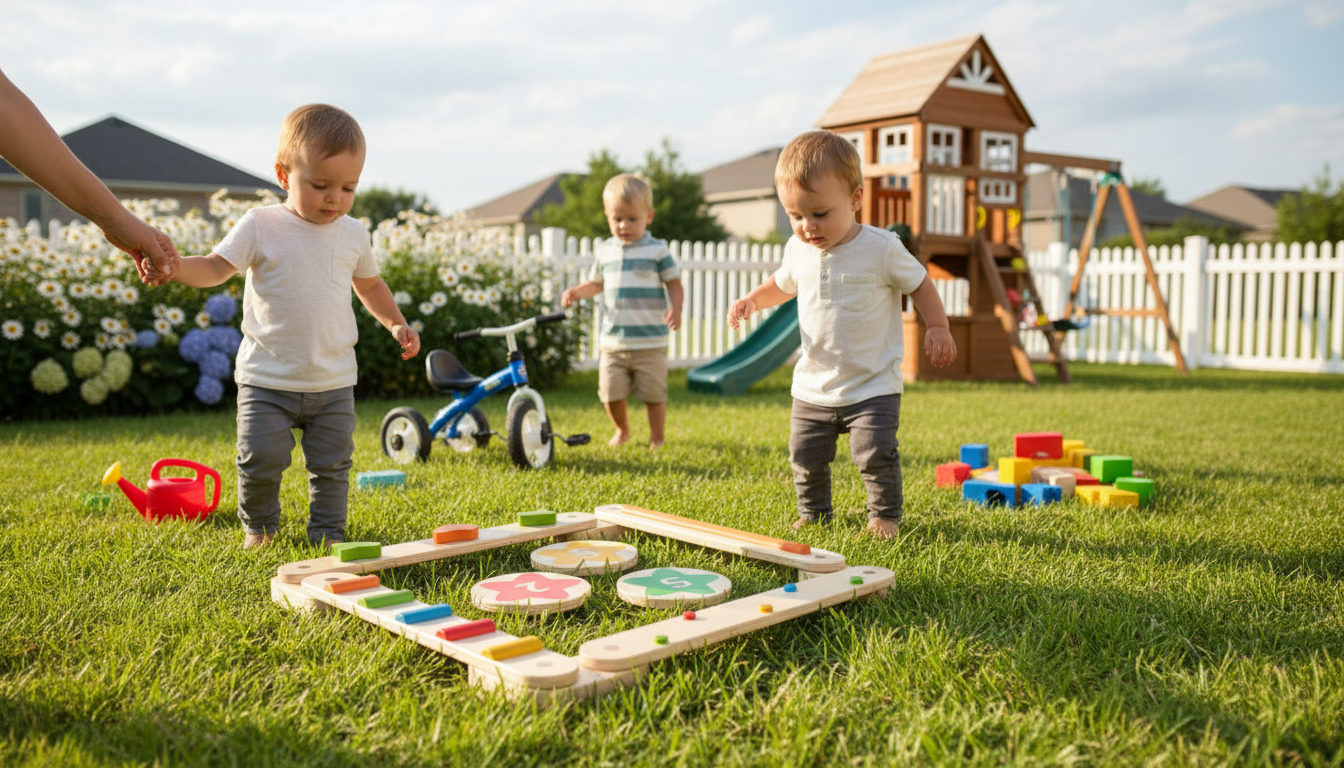
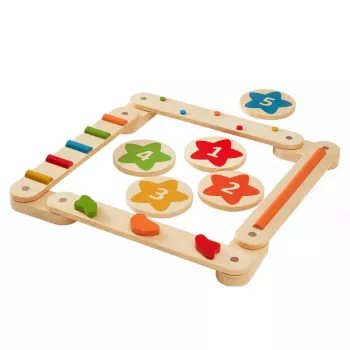
6 PCS Kids Balance Beam Stepping Stones for Toddlers: Indoor/Outdoor Play That Builds Balance
Balance beams and stepping stones turn everyday play into movement practice that supports coordination, confidence, and active fun. A 6-piece modular set makes it simple to build a path that fits your space and your child’s current skill level—whether that’s a short straight line in the living room or a more playful “trail” in the backyard. With repeatable setups and easy changes, toddlers and young kids can get plenty of meaningful movement in a way that still feels like play. For more guidance, see Child Care Center Characteristics Associated With Preschoolers ….
What’s Included in the 6-Piece Set
- Six modular pieces that can be arranged into straight lines, gentle curves, or simple obstacle paths
- A play format that encourages stepping, balancing, turning, and controlled jumping
- Suitable for quick setups that can be changed often to keep play fresh
If you’re looking for a ready-to-go option, see the 6 PCS Kids Balance Beam Stepping Stones for Toddlers (in stock). It’s a practical pick for families who want a consistent way to practice balance without committing to bulky indoor equipment. For further reading, see 25 Favorite Montessori Toys on Amazon – Mamas Cold Coffee.
Why Balance Play Matters for Toddlers
- Supports gross motor development: balance, core stability, and leg strength through repeated stepping and controlled movement
- Builds coordination and body awareness as children learn foot placement, pacing, and posture
- Encourages confidence by offering achievable challenges that can be made easier or harder
Toddlers learn best through repetition and exploration. Open-ended movement activities pair well with the way children develop—especially during the rapid changes that happen from ages 1–3. For a broader view of typical developmental milestones, the CDC’s guidance is a helpful reference: CDC — Important Milestones: Your Baby By Two Years. And when it comes to why active play matters overall, the American Academy of Pediatrics highlights how play supports healthy development: The Importance of Play in Promoting Healthy Child Development.
Ways to Set Up Safe, Engaging Courses
- Start with a simple straight line, then introduce a gentle curve or small gaps as skills improve
- Create themed paths (river stones, jungle trail, space walk) to inspire imaginative play
- Use short sessions (5–10 minutes) and repeat often rather than pushing for long continuous play
- Place on a level surface; indoors, consider a rug or foam mat to reduce slipping and soften incidental falls
Course Ideas by Skill Level
| Level | Setup | Goal |
|---|---|---|
| Beginner | Pieces touching in a straight line | Slow stepping and stopping safely |
| Intermediate | Gentle curve with one small gap | Controlled turns and wider steps |
| Advanced | Zig-zag path with two small gaps | Balance changes, pacing, and direction control |
Safety Tips Parents and Caregivers Can Use Right Away
- Supervise toddlers closely, especially during the first few sessions and anytime the layout changes
- Keep the area clear of furniture edges, toys, and other trip hazards
- Choose bare feet or grippy socks indoors; use stable shoes outdoors when surfaces are uneven
- Stop play if a child is fatigued—most slips happen when children rush or get tired
A simple rule that helps: if you change the course, reset expectations. Walk the new path once together, then let your child try it while you stay close enough to assist without pulling them off-balance.
Indoor vs. Outdoor Use: Practical Setup Notes
- Indoors: ideal for predictable footing and repeatable routes; great for rainy days and quick movement breaks between quiet activities.
- Outdoors: adds variety and sensory input; set on flat ground (patio, deck, level grass) to keep the path stable.
- After outdoor play, wipe down and let pieces dry before storing to help keep surfaces clean and ready for next time.
For indoor use, it often helps to designate a “movement zone” (even if it’s just a corner of the family room). Keeping the setup consistent reduces hesitation and encourages kids to try again—especially if they were wobbly on the first attempt.
Play Ideas That Grow With Your Child
To extend play without making the course harder, add simple “missions” at the end of the path—like a gentle high-five, placing a stuffed animal in a basket, or turning around and returning to “base.” If your child likes pretend driving and sound effects, pairing movement breaks with a sit-down toy can help balance high-energy play and calm-down time; the Interactive Baby Steering Wheel Toy is an easy option for that kind of transition.
Product Snapshot
- Name: 6 PCS Kids Balance Beam Stepping Stones for Toddlers
- Use cases: obstacle courses, balance practice, active play breaks, party games
- Best for: toddlers and young children who benefit from repeatable, adjustable movement challenges
Quick Details
| Item | Details |
|---|---|
| Product | 6 PCS Kids Balance Beam Stepping Stones for Toddlers |
| Availability | In stock |
| Price | $76.51 USD |
When This Set Is a Great Fit (and When to Wait)
FAQ
What age is appropriate for balance beams and stepping stones?
Many toddlers can start with very simple, supervised layouts once they’re walking steadily and can follow a one-step direction (like “step here”). Begin with pieces touching and offer a hand for support until your child shows consistent control.
Can this be used indoors without damaging floors?
Yes, when used on a level surface and placed (not dragged) into position. A rug or foam mat can help prevent slipping and reduce the chance of scuffs, and wiping pieces clean helps keep grit from scratching hard floors.
How can the difficulty be increased safely?
Make changes gradually: add gentle curves first, then introduce small gaps, turns, and stop-and-go cues. Keep supervision close and adjust back down if you notice rushing, frustration, or fatigue.







Leave a comment