Balance Stepping Stones: Safe for Kids? Tips & Setup
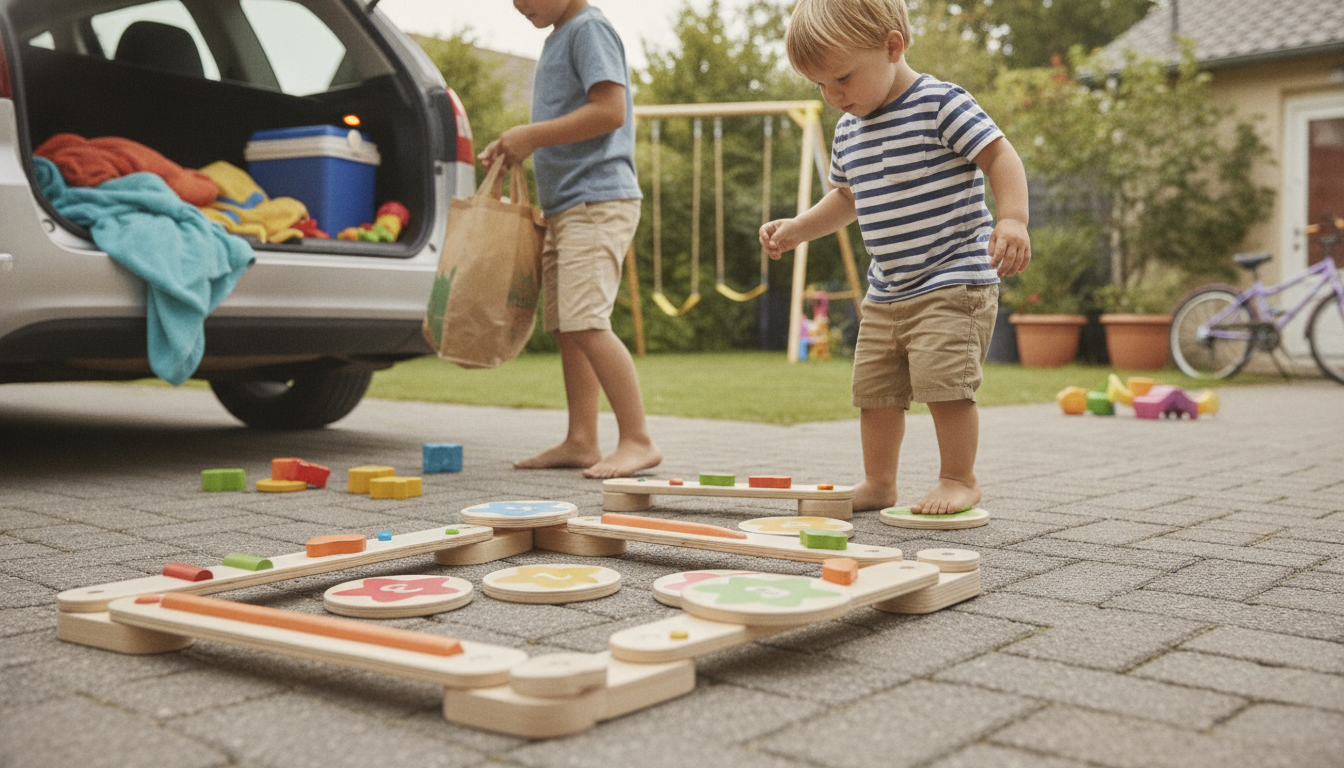
Are balance stepping stones safe for kids?
Balance stepping stones can be safe for kids when they’re age-appropriate, used on the right surface, and supervised. They’re designed to build coordination and confidence, but safety depends less on the concept and more on how the set is made and how play is set up at home.
What makes stepping stones “kid-safe”?
Look for stones with a wide, stable base and a surface that helps prevent slipping. A textured top and non-skid bottoms matter most on smooth indoor floors. Rounded edges also reduce the chance of scrapes if a child bumps a knee or shin while stepping or jumping.
Where should kids use them?
Place stepping stones on a flat, clutter-free area. For toddlers and new users, carpet, foam play mats, or a low-pile rug can add a little forgiveness for wobbles. Outdoors, choose level ground—avoid slopes, wet grass, or loose gravel where stones can shift unexpectedly.
How to set them up to reduce falls
Start with stones close together so a child can step (not leap) from one to the next. As balance improves, increase spacing gradually. Keep the path away from furniture corners, fireplaces, stairs, and hard table legs, and avoid stacking stones unless the manufacturer explicitly says it’s safe.
Supervision and age considerations
Toddlers should use stepping stones with close supervision, especially during the first few sessions. If a child is still unsteady walking or tends to climb everything, use fewer stones and keep the height low. For older kids, set simple rules—one person on the path at a time and no pushing—to prevent collisions.
Choosing a set that fits your child
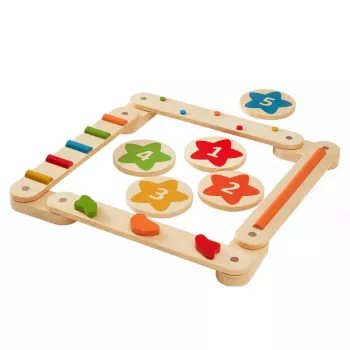
Check the recommended age range and weight limit, and inspect for sturdy construction and easy-to-clean materials. For a deeper dive into what to look for and how a popular option is designed for toddler play, visit the full guide here: 6-piece kids balance beam stepping stones for toddlers.
FAQ
What are the benefits of balance stepping stones for toddlers?
They help develop balance, coordination, and body awareness while encouraging active play. Many kids also practice following patterns, taking turns, and building confidence with movement.






Leave a comment