268.8Wh LiFePO4 Solar Backpack Power for Travel
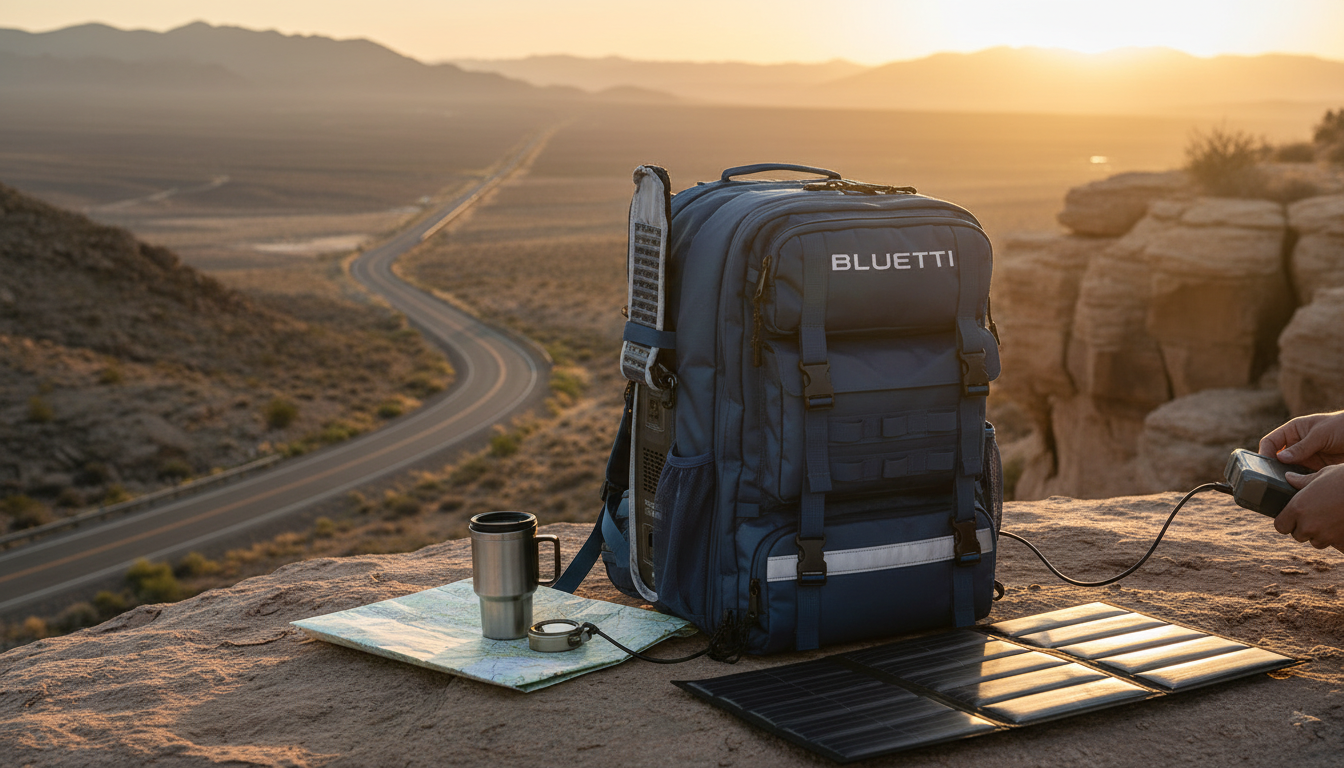
Handsfree Solar Backpack Power Station: 268.8Wh LiFePO4 Power for Travel and Field Days
A backpack power station combines carry-anywhere storage with practical charging options for travel, day trips, remote work, and emergency backup. With a 268.8Wh LiFePO4 battery on your back, the goal isn’t to replace a wall outlet forever—it’s to keep essentials topped up while moving through terminals, trails, festivals, job sites, and long commutes. Below is a realistic look at what this capacity can run, how to recharge efficiently (including solar), and what to prioritize for safe, dependable power on the go.
What a handsfree solar backpack power station is
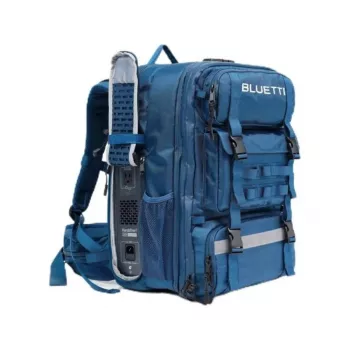
A handsfree solar backpack power station is a wearable power station built into a backpack format, designed to keep both hands free while you move through airports, hikes, events, or work zones. Instead of carrying a separate power box, your battery and outputs ride with your daypack—making it easier to walk, stand in lines, or work while charging devices.
Depending on the model, outputs can include multiple USB ports for phones and tablets, plus higher-power options for small electronics (such as USB-C or AC via an inverter). That mix makes it a better fit for lightweight travel power—communications, navigation, lighting, camera/GoPro charging, small medical devices (when compatible), and laptop top-ups—than a typical pocket power bank.
Understanding 268.8Wh: what it can power
Watt-hours (Wh) measure stored energy. How long your devices run depends on their wattage and conversion losses. As a practical planning method, assume about 75–85% usable energy for AC loads (inverter losses), and often higher efficiency when you stay in DC/USB output modes.
This capacity shines when you’re managing several small devices—keeping a group’s phones alive, giving a laptop a meaningful boost during transit, running LED lighting at night, or maintaining a hotspot during a workday away from outlets. It’s not designed for high-draw heating appliances like kettles, hair dryers, or hot plates, where energy drains quickly and may exceed output limits.
| Device | Typical power draw | Estimated use from full charge |
|---|---|---|
| Smartphone charging | ~10–15Wh per full charge | About 12–20 full charges (USB/DC) |
| Tablet | ~25–40Wh per full charge | About 5–9 full charges (USB/DC) |
| Laptop (USB-C or AC adapter) | ~50–90W while charging/working | About 2–4 hours of heavy use or 2–4 partial recharges |
| LED lantern/string lights | ~5–15W | About 12–40 hours |
| Compact Wi‑Fi hotspot | ~5–10W | About 20–45 hours |
| Small fan | ~10–25W | About 8–22 hours |
Why LiFePO4 matters for travel reliability
Even with a stable chemistry, safety comes from the full system: look for a battery management system (BMS) that supports protections like overcharge/overdischarge control, short-circuit protection, and temperature monitoring. For general battery handling and care principles, Battery University is a helpful reference: https://batteryuniversity.com/.
Charging options: solar, wall, and vehicle
Solar charging is best treated as a daytime top-up strategy. Real-world output varies with panel wattage, sun angle, temperature, shading, and the backpack power station’s solar input limits. For the fundamentals behind how photovoltaic panels generate power (and why conditions matter so much), see NREL’s overview: https://www.nrel.gov/research/re-photovoltaics.html.
Pack comfort, weight, and handsfree workflow
Where this capacity shines (and where it doesn’t)
Care and storage for longer battery life
Quick comparison: backpack power station vs common alternatives
| Option | Best for | Tradeoffs |
|---|---|---|
| Handsfree backpack power station | Multi-device travel days, walking/transit, field work | More weight than pocket banks; capacity limited vs large stations |
| High-capacity USB power bank | Phones/tablets, ultra-light carry | Limited outputs; laptop support varies; fewer charging options |
| Portable power station (box style) | Basecamp, higher wattage devices | Bulkier; less comfortable to carry long distances |
| Device-specific spare batteries | Cameras/drones that support swaps | Doesn’t power other devices; needs dedicated chargers |
Product options in stock
- Handsfree Solar Backpack Power Station, 268.8Wh LiFePO4 Solar Generator for Travel — a handsfree power setup for charging on the move between gates, trailheads, and job stops.
- Battery-Powered Backpack Sprayer with Cart – 4 Gal, Adjustable Pressure, Multi-Nozzle — a practical add-on for property workdays where cordless mobility matters.
- 6 PCS Kids Balance Beam Stepping Stones for Toddlers — a simple way to create active play during long home days when devices are charging.
Before checkout, confirm included accessories (charging cables, adapters, solar input compatibility) and review the output ports to match your devices. For airline travel, verify current airline and regulatory limits for lithium batteries; the FAA’s guidance is a strong starting point: https://www.faa.gov/hazmat/packsafe/batteries.
FAQ
Is a 268.8Wh backpack power station allowed on airplanes?
Airline rules depend on the battery’s Wh rating and the carrier’s policy, and higher-Wh batteries may require approval or may not be permitted. Check your airline’s current limits and the applicable regulator guidance before flying.
How long does it take to recharge with solar while traveling?
Recharge time varies widely based on panel wattage, sun conditions, shading, and the unit’s solar input limit, so it can range from several hours to most of the day. Even small shadows or laying panels flat can reduce output a lot.
Can it charge a laptop and a phone at the same time?
Usually yes if the backpack power station has enough ports and supports the combined power draw. Charging multiple devices at once will reduce total runtime, and AC charging typically has more conversion loss than USB/DC.









Leave a comment